

Hand Grinder vs Electric Grinder: What Are You Actually Upgrading?
If your hand grinder already makes coffee you like, going electric is not automatically an upgrade. Sometimes it is a taste upgrade. Sometimes it is a workflow upgrade. Sometimes it is just a more expensive way to stop turning a crank.
A lot of home brewers eventually hit the same point. The grinder is not broken. The coffee is not bad. You just start wondering whether the next step is electric.
This comes up all the time with grinders such as the KINGrinder K6, Comandante C40, 1Zpresso models, and other capable hand grinders. The question is rarely just "manual or electric?" The useful question is: what do you want the next grinder to do that your current one does not?
First question: what are you trying to fix?
If the answer is "nothing, really - I just feel like upgrading," keep that in mind.
A new grinder can change the cup. But if your current grinder is consistent, easy enough to dial in, and already giving you coffee you enjoy, the next grinder may be different rather than clearly better.
Maybe you want more clarity from light roasts. Maybe you want more body. Maybe you are tired of grinding espresso by hand. Maybe you make three drinks every morning and the crank has stopped being charming. Those are different problems, and they point to different grinders.
Not sure what kind of grinder actually fits your setup?
Start with your brew method and the problem you want to solve, not the biggest spec on the page.
A good hand grinder can be annoyingly hard to beat
This is the awkward part.
At the same price, a hand grinder can put more of its cost into the burr set, bearings, adjustment system, and the parts that actually grind the coffee. An electric grinder also needs a motor, power supply, electronics, controls, and a larger housing.
That is why moving from a solid $100-150 hand grinder to a similarly priced electric grinder does not automatically feel like a clear step up in the cup.
That is not an argument against electric grinders. Convenience is a real upgrade. The mistake is assuming that a motor automatically means better grind quality.
If you make one pour-over, hand grinding may not be the problem
For a single pour-over, a decent hand grinder can fit into the routine pretty easily. Kettle on. Weigh the beans. Grind. Brew.
Some people genuinely like that part of the process. Hand grinders are quiet, take up almost no counter space, and do not turn a calm morning into fifteen seconds of motor noise.
If you make one or two filter coffees a day and the grinding itself does not bother you, changing to electric purely because it feels like the "next level" may not solve a real problem.
Keep the hand grinder
You make one or two cups, enjoy the workflow, travel with it, and already like the coffee it produces.
Start looking at electric
You are making several drinks, switching beans often, dialing espresso regularly, or simply getting tired of the crank.
Espresso changes the math
Pour-over is one thing. Espresso is where "I do not mind hand grinding" can turn into "I am done with this."
Finer grinding usually means more resistance. Dialing in can mean several doses back to back. Pull two shots, decide one ran too fast, make an adjustment, grind again, then make another drink for someone else. The romance can disappear pretty quickly.
This is where an electric grinder can be a very real upgrade even if the cup quality stays roughly the same.
- Less effort when grinding fine.
- Faster dialing when a new bag needs several adjustments.
- Easier back-to-back shots.
- Less friction when you are already late and still want coffee.

None of those points show up on a flavor chart. They still matter every single day.
"Better" and "different" are not the same thing
Maybe your current hand grinder is not holding you back. Maybe you just want a different cup.
More clarity. Less body. More separation. More sweetness. Fewer fines. A cleaner light-roast cup. A more syrupy espresso.
That is a different buying decision.
In that case, stop asking whether electric is better. Start asking what burr geometry, adjustment style, grind distribution, and workflow you actually want.
Want a different cup, not just an easier workflow?
Burr style and adjustment matter more here than whether the grinder has a power cord.
Do not buy an electric grinder just because the spec sheet looks bigger
Bigger burrs, more watts, higher RPM, a heavier body - none of those numbers automatically tell you whether you will prefer the coffee.
The same goes for price. A grinder costing twice as much does not guarantee a cup that tastes twice as good. Sometimes the extra money buys quieter operation, faster workflow, tighter tolerances, easier cleaning, better adjustment, or a platform that lets you try different burrs later.
Those can all be worthwhile. Just know which one you are paying for.
So, should you actually go electric?
If you make one or two cups, do not mind the workflow, and already like what is in the cup.
If you are tired of grinding, make multiple drinks, switch beans often, or regularly dial in espresso.
Only when you can identify what you want to change in the cup and the burr setup you are buying actually moves in that direction.
If the only problem with your current grinder is that you keep seeing new grinders online.
There is nothing wrong with buying a grinder because you want one. Coffee is a hobby. Hobbies do not need a spreadsheet to justify every purchase.
But if you are trying to make a rational upgrade, the best question is not "manual or electric?" It is "what changes after I buy it?"
If you are done hand grinding, what should you look for next?
If the goal is less effort, make sure the electric grinder does not replace one annoyance with three new ones.
Look at the adjustment range, retention, noise, cleaning, single-dose workflow, and whether the burr profile actually suits the coffee you drink.
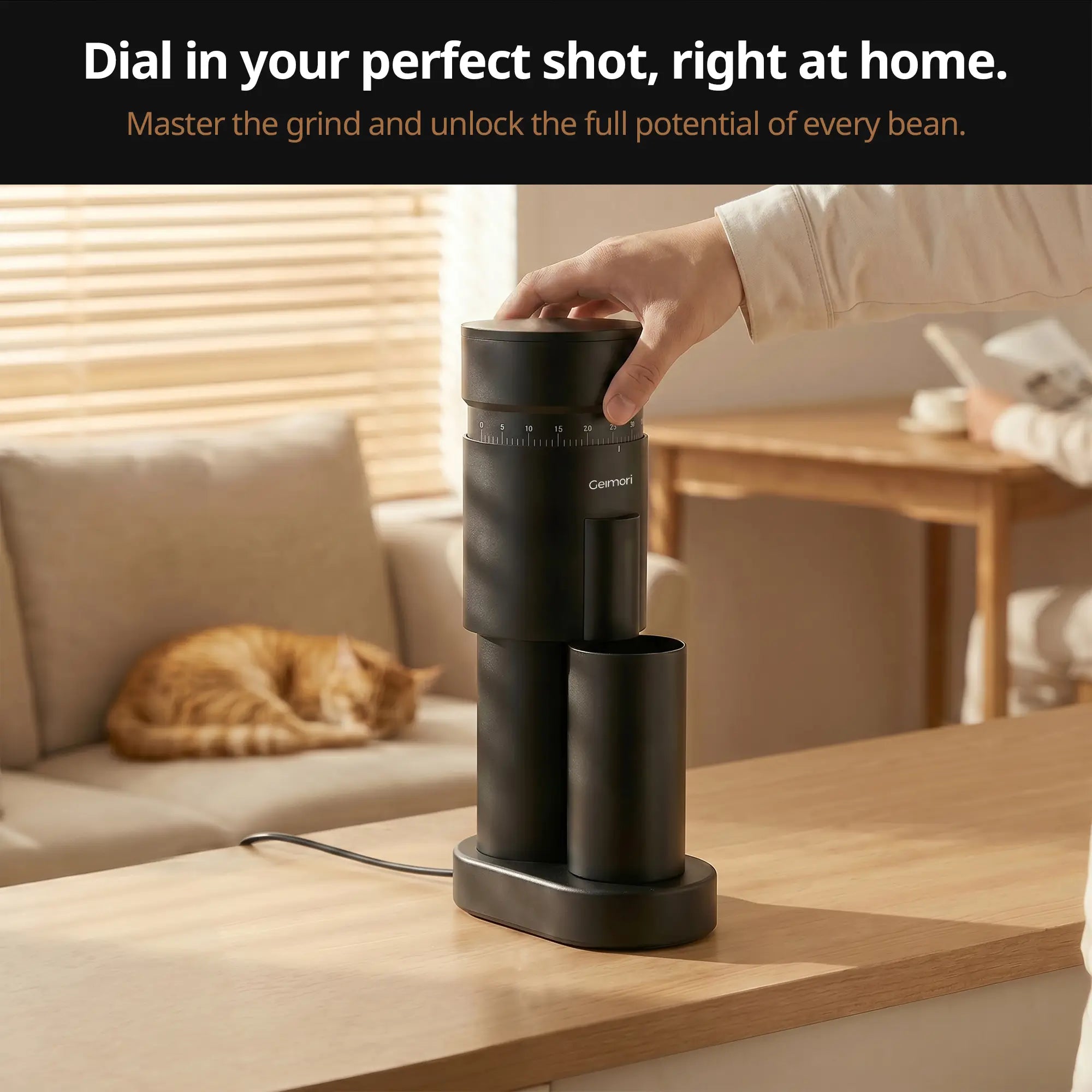
Three different ways to leave hand grinding behind
These are not three versions of the same answer. They are for different reasons people decide to go electric.
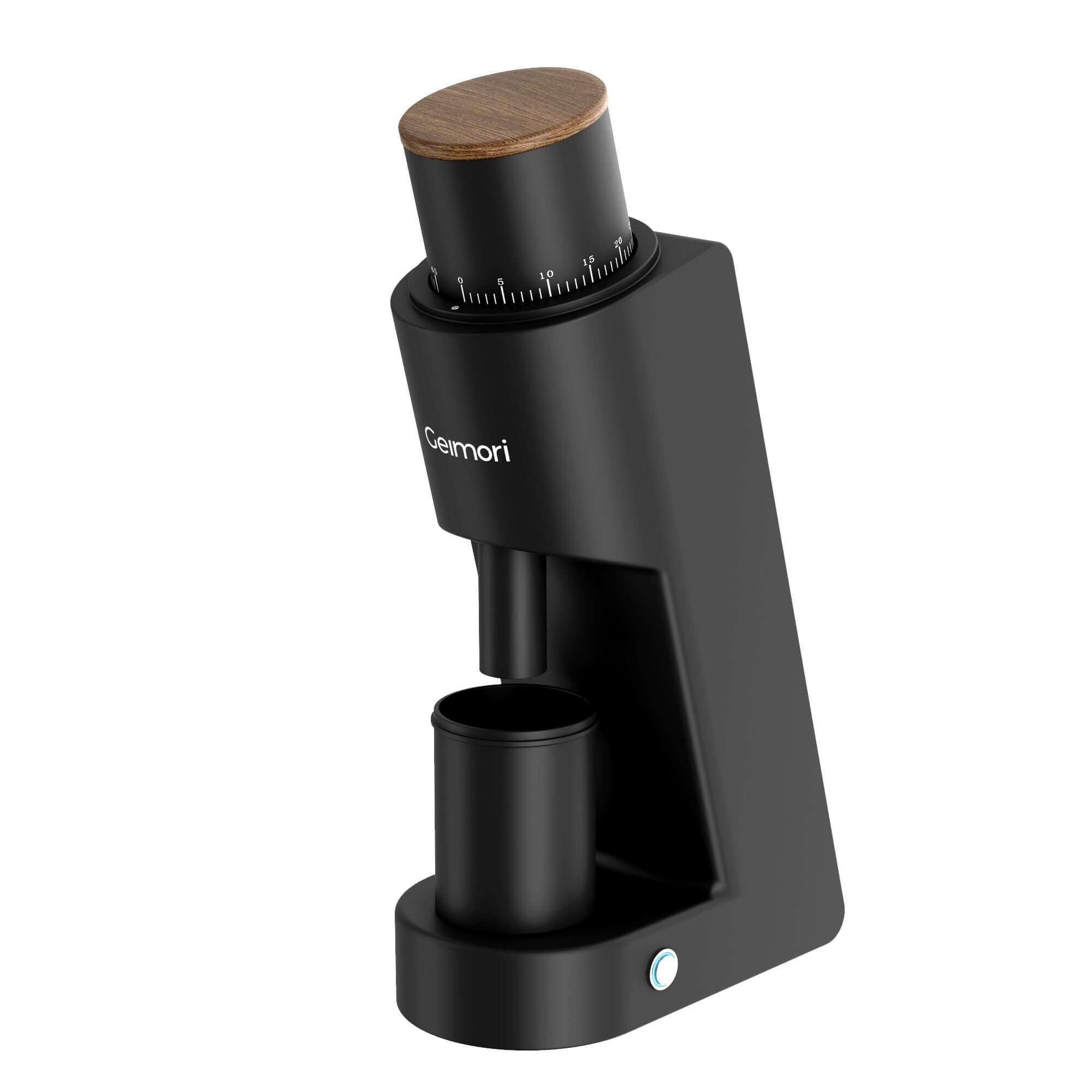
GU38
For someone who mainly wants a compact electric single-dose setup and an easier daily workflow.
See GU38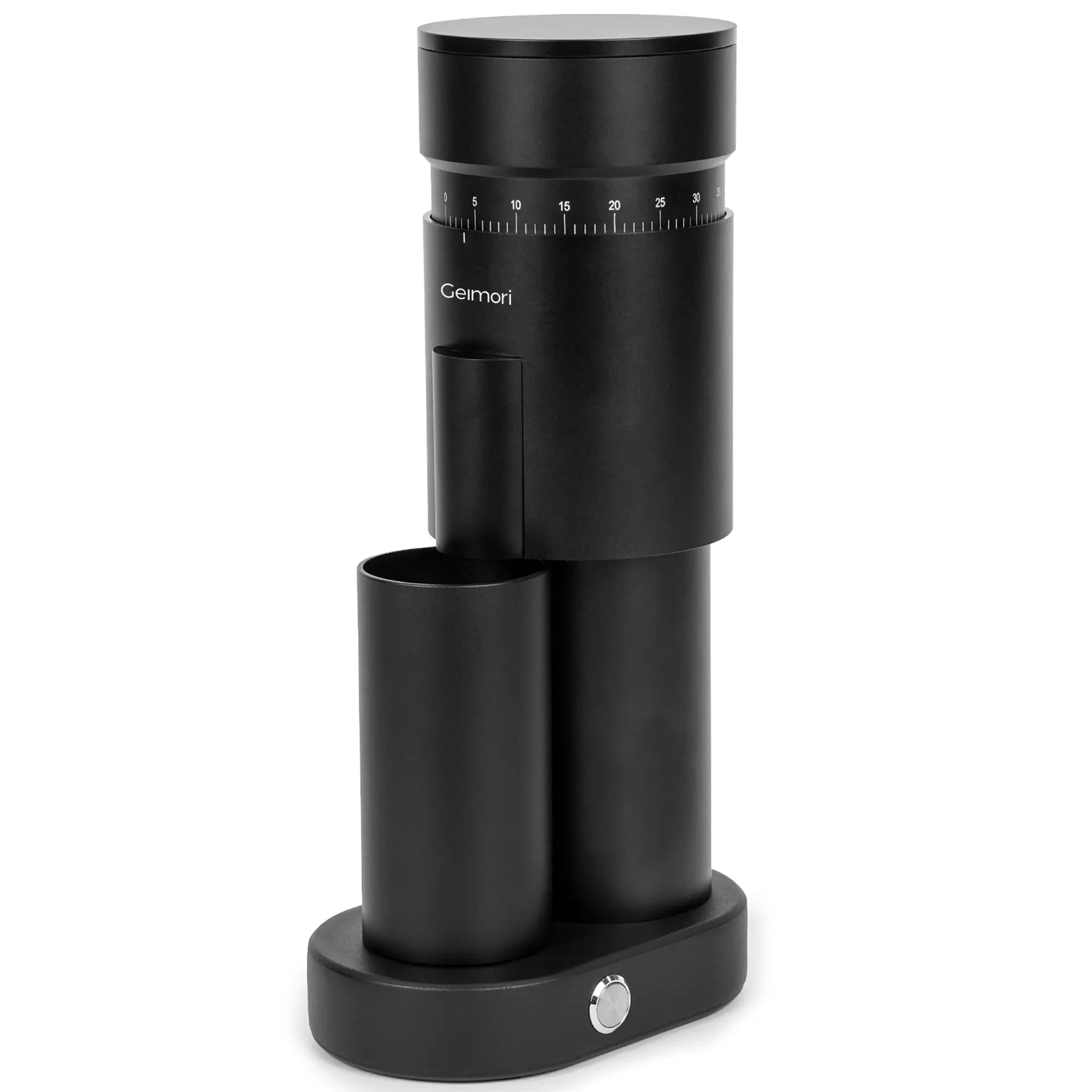
GU63
For someone who wants a low-speed conical-burr grinder with a simple single-dose workflow for espresso and filter.
See GU63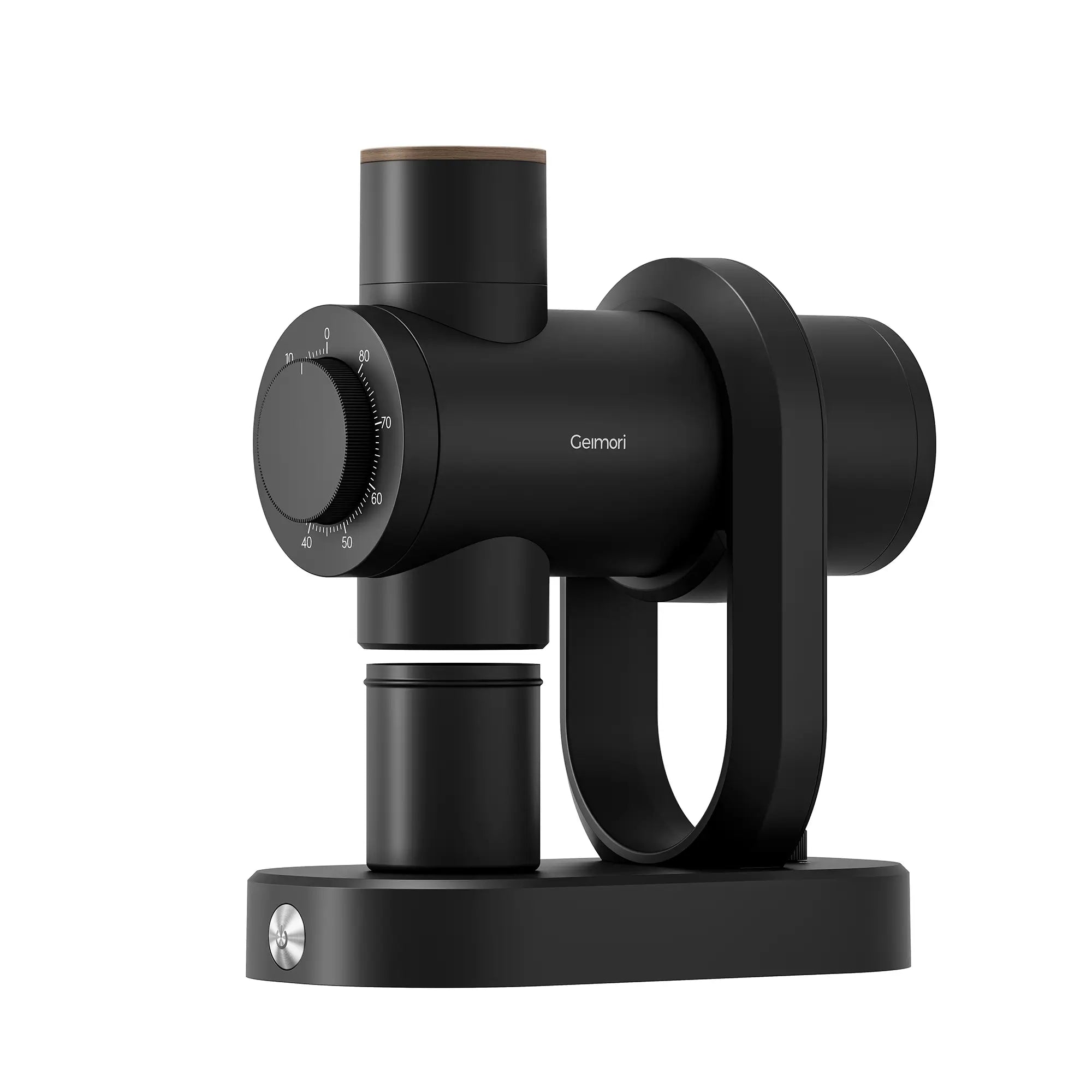
GU64 Gen2
For someone who is not only trying to save their arm, but also wants to explore a flat-burr, variable-speed setup.
See GU64 Gen2Still comparing?
If you are not sure whether you need compact, conical, or flat-burr, use the grinder matcher before opening another ten tabs.
FAQ
Is an electric grinder always better than a hand grinder?
No. A good hand grinder can deliver excellent grind quality, especially at lower budgets. Electric grinders add speed and convenience, but the motor itself does not guarantee better coffee.
Is switching from a hand grinder to electric worth it for pour-over?
It can be, but usually for workflow rather than necessity. If you brew one or two cups and do not mind hand grinding, keeping a good manual grinder can make perfect sense.
Is an electric grinder more useful for espresso?
Often, yes. Espresso usually requires finer grinding and more frequent adjustment, so an electric grinder can make dialing in and preparing multiple shots much easier.
How much should I spend to beat a good hand grinder?
There is no single price where electric automatically becomes better. Compare the burr setup, adjustment, retention, workflow, and the flavor profile you want rather than assuming a higher price or a motor equals better grind quality.
Should I upgrade if I already like the coffee from my hand grinder?
Only if there is something else you want to change: easier workflow, faster espresso preparation, a different flavor profile, or more flexibility. If you are happy with both the cup and the routine, keeping the grinder is a perfectly reasonable choice.
Still not sure what actually fits your setup?
Start with how you brew, what you want to change, and how much workflow matters to you. Then choose the grinder-not the other way around.


